


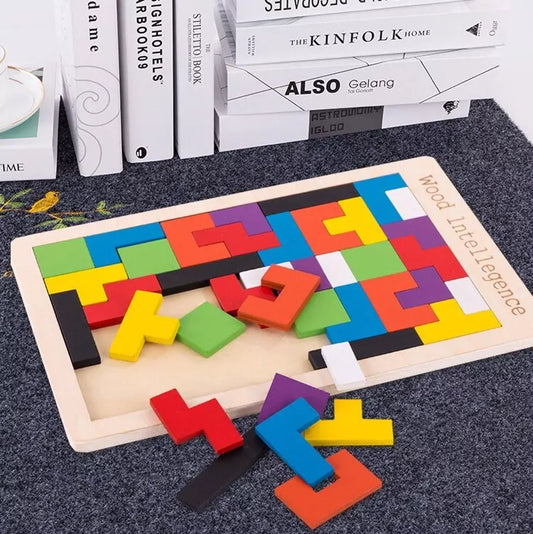
5 Essential Skills Every Child Needs Before Starting School

Starting school is a major milestone in a child's life. While many parents focus on teaching alphabets, numbers, and writing before school begins, educators increasingly agree that school readiness is about much more than academics.
Children who enter school with strong social, emotional, and cognitive skills often adapt faster, learn more effectively, and develop greater confidence in the classroom. The good news is that many of these essential skills can be nurtured through educational toys, learning activities, and purposeful play at home.
In this guide, we'll explore the five most important skills every child should develop before starting school and how parents can support these skills through everyday play.
Why School Readiness Matters
School readiness is the combination of skills that help children succeed in a classroom environment. It includes the ability to focus, communicate, solve problems, interact with others, and adapt to new situations.
Children who develop these foundational skills often:
-
Adjust more easily to school routines
-
Participate confidently in classroom activities
-
Build stronger relationships with teachers and classmates
-
Develop a positive attitude toward learning
Rather than focusing solely on memorization, parents can help children prepare for lifelong learning through meaningful play experiences.
1. Focus and Attention
Why Focus Matters
In school, children are expected to listen to instructions, complete tasks, and stay engaged during lessons. A strong attention span helps children absorb information and perform better academically.
Children with good focus are more likely to:
-
Complete activities independently
-
Follow multi-step instructions
-
Stay engaged during learning tasks
-
Develop patience and self-discipline
Educational Toys That Improve Focus
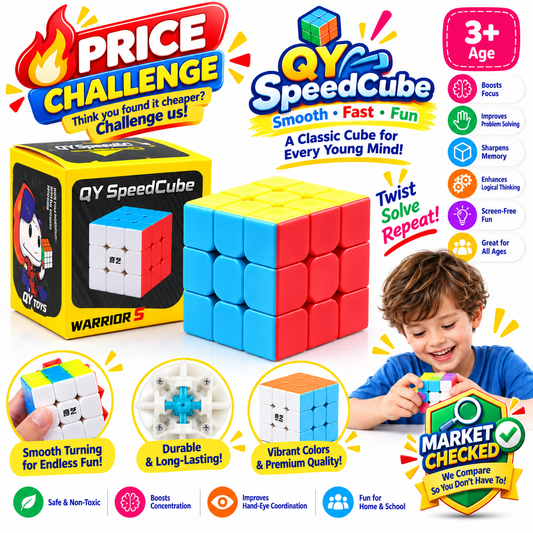
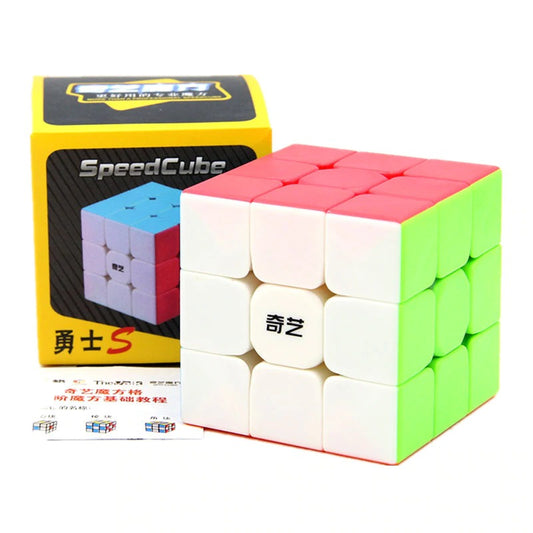
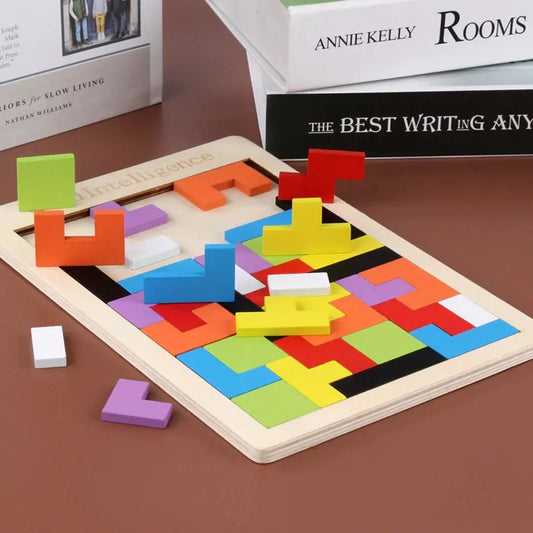
Some of the best educational toys for concentration include:
-
Puzzles and brain teasers
-
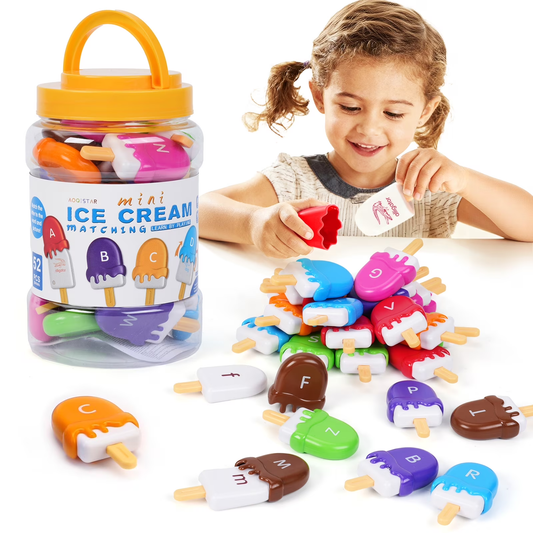
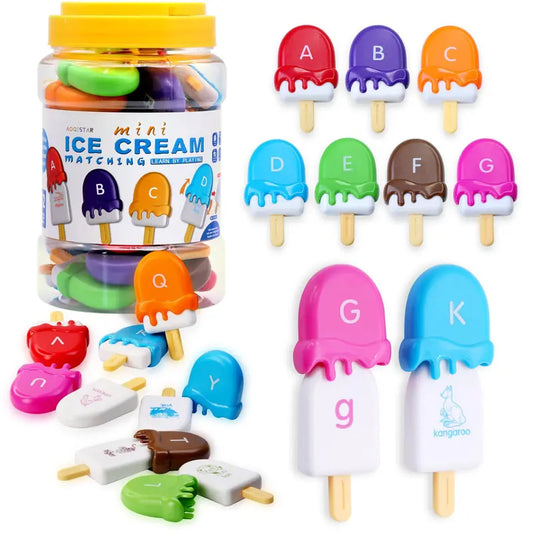
Matching and sorting games
-
Building and construction toys
-
Pattern recognition activities
How Parents Can Help at Home
-
Create a daily screen-free play session
-
Encourage children to complete one activity before starting another
-
Gradually increase the difficulty of puzzles and challenges
-
Celebrate effort and persistence rather than speed
2. Communication Skills
Why Communication Is Important
Communication helps children express their thoughts, needs, and emotions effectively. Strong communication skills also make it easier for children to build friendships and participate in classroom discussions.
Good communicators can:
-
Ask questions confidently
-
Share ideas clearly
-
Listen and understand others
-
Resolve conflicts peacefully
Educational Toys That Support Communication
Useful learning toys include:
-
Storytelling cards
-
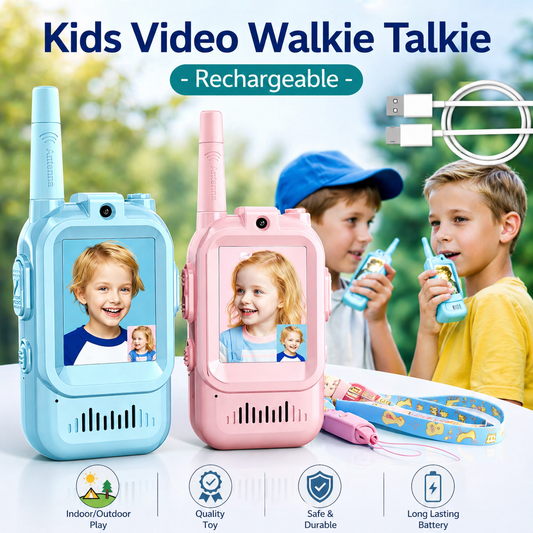
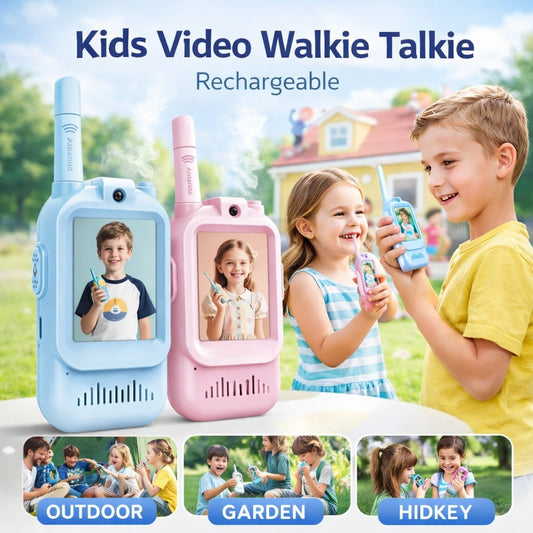
Role-play toys
-
Picture vocabulary games
-
Interactive learning activities
How Parents Can Help at Home
-
Read stories together daily
-
Encourage open-ended conversations
-
Ask children to describe their day
-
Engage in pretend-play activities
Simple conversations during meals or playtime can significantly improve language development.
3. Problem-Solving Skills
Why Problem-Solving Is Essential
School introduces children to new challenges every day. Problem-solving skills help children think critically, explore solutions, and overcome obstacles independently.
Children with strong problem-solving abilities often:
-
Adapt better to new situations
-
Think creatively
-
Learn from mistakes
-
Develop resilience
Educational Toys That Build Problem-Solving Skills
Examples include:
-
Logic puzzles
-
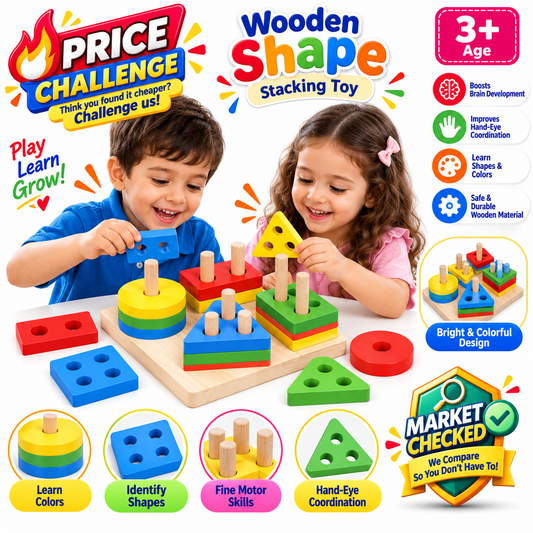
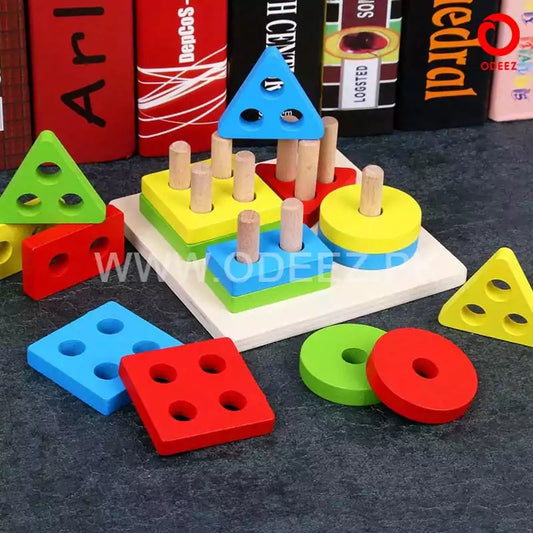
Shape-sorting toys
-
Construction sets
-
Strategy-based games
These toys encourage children to experiment and discover solutions independently.
How Parents Can Help at Home
Instead of immediately providing answers, ask questions such as:
-
"What do you think will happen?"
-
"How else can we solve this?"
-
"Can you try another way?"
This encourages critical thinking and confidence.
4. Creativity and Imagination
Why Creativity Matters
Creativity helps children explore ideas, express emotions, and think beyond conventional solutions. Creative thinking is increasingly recognized as an important skill for future success.
Creative children tend to:
-
Explore new possibilities
-
Develop innovative thinking
-
Express themselves confidently
-
Enjoy learning experiences
Educational Toys That Encourage Creativity
Popular options include:
-
Art and craft activities
-
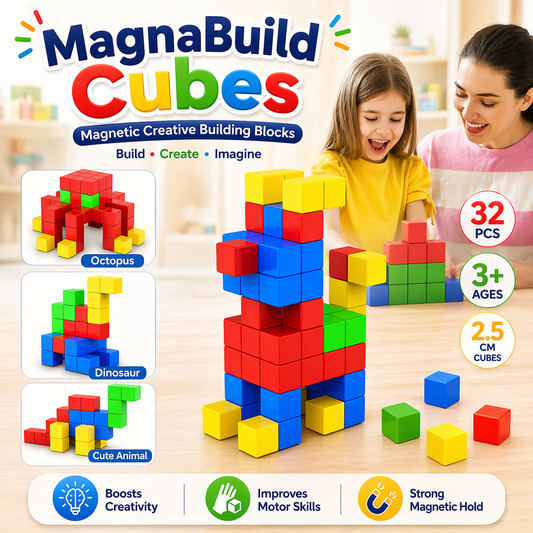
Building toys
-
Pretend-play sets
-
Open-ended learning materials
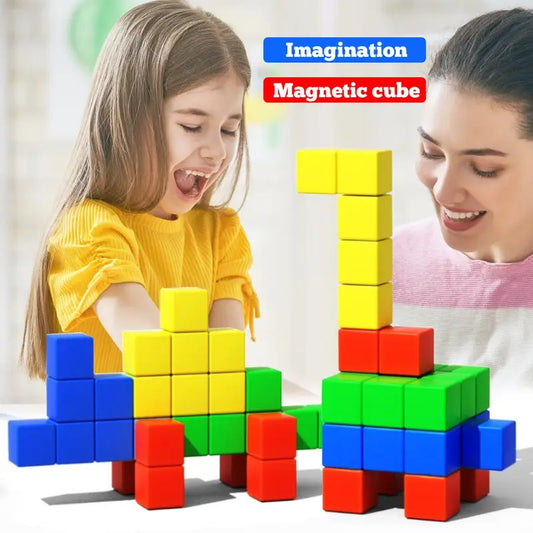
Unlike toys with only one correct outcome, open-ended toys allow children to create and imagine freely.
How Parents Can Help at Home
-
Encourage drawing and storytelling
-
Allow children to invent games
-
Support imaginative role-play
-
Avoid over-directing play activities
Sometimes the best learning happens when children are free to explore their own ideas.
5. Confidence and Independence
Why Confidence Is Important Before School
Confident children are more willing to participate, ask questions, and try new activities. School can feel overwhelming, but confidence helps children approach new experiences positively.
Confident children are more likely to:
-
Engage with teachers and classmates
-
Attempt challenging tasks
-
Recover from mistakes
-
Develop a growth mindset
Educational Toys That Build Confidence
Examples include:
-
Skill-building activities
-
Age-appropriate challenges
-
Construction and building toys
-
Independent learning games
When children successfully complete tasks on their own, they gain a sense of achievement.
How Parents Can Help at Home
-
Allow children to make simple choices
-
Encourage independent play
-
Praise effort rather than perfection
-
Give age-appropriate responsibilities
Small successes help build long-term confidence.
The Role of Educational Toys in School Readiness
Educational toys do more than entertain. They create opportunities for children to practice the exact skills needed in school.
Benefits of educational toys include:
-
Improved concentration and attention
-
Better communication skills
-
Stronger problem-solving abilities
-
Increased creativity
-
Greater confidence and independence
Most importantly, they make learning enjoyable.
Choosing the Right Educational Toys
When selecting educational toys for your child, look for options that:
-
Encourage active participation
-
Support skill development
-
Promote screen-free learning
-
Allow independent exploration
-
Grow with your child's abilities
Quality learning toys provide long-term value by supporting multiple areas of development.
Final Thoughts
Preparing a child for school goes far beyond teaching letters and numbers. The most successful learners are often those who develop strong foundational skills before entering the classroom.
The five essential skills every child needs before starting school are:
-
Focus and Attention
-
Communication
-
Problem-Solving
-
Creativity
-
Confidence
Through educational toys, purposeful play, and everyday interactions, Pakistani parents can help children build these skills naturally and enjoyably.
When children learn through play, they don't just prepare for school—they develop the confidence, curiosity, and resilience needed for lifelong success.
