
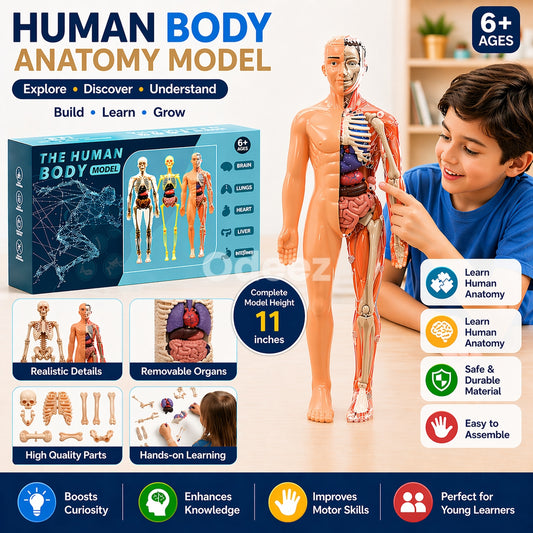
Children Learn More by Doing Than Watching

As parents, we all want our children to learn quickly and develop the skills they need for a successful future. In today's digital world, it's easy to assume that educational videos and apps are enough. However, research consistently shows that children learn far more by doing than simply watching.
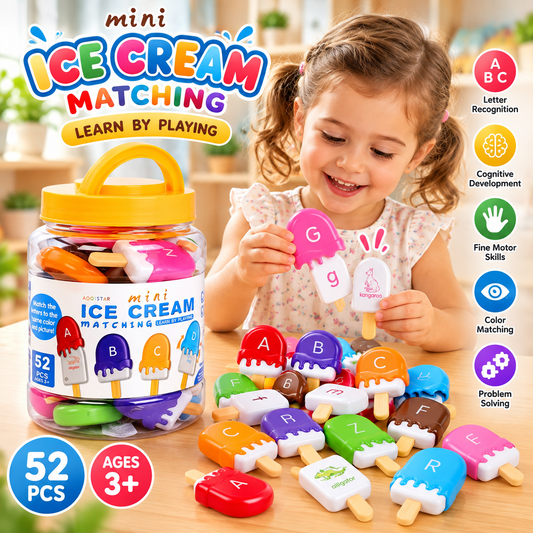
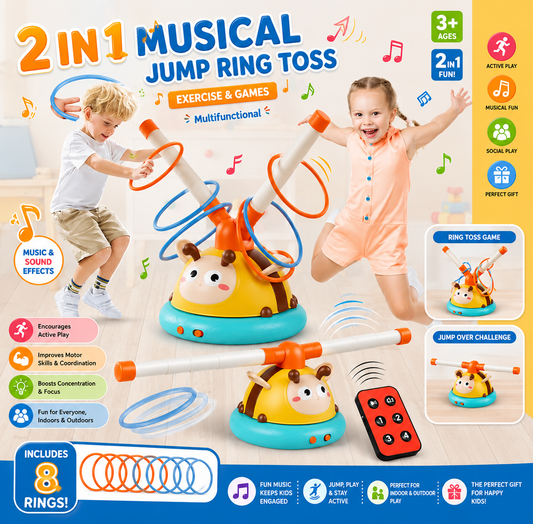
Whether it's solving a puzzle, building with blocks, experimenting with educational toys, or engaging in pretend play, hands-on experiences help children understand concepts more deeply than passive screen time ever can.
If you're looking for educational toys in Pakistan that encourage active learning, understanding the value of learning through play is the first step.
Why Active Learning Is More Effective Than Passive Watching
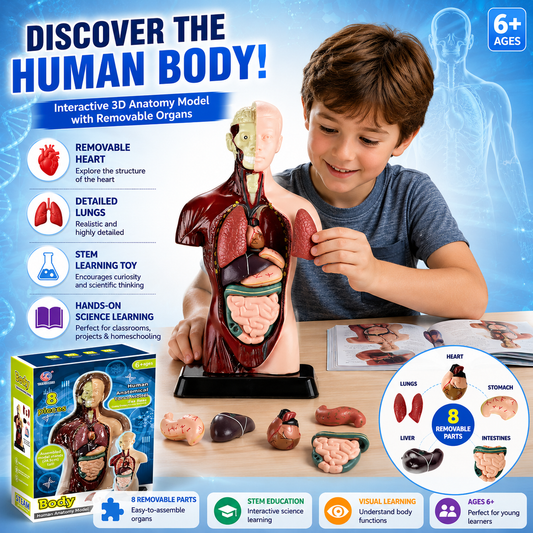
Children are naturally curious. They learn best when they can touch, explore, experiment, and discover things on their own.
Watching teaches children what something looks like.
Doing teaches them:
-
How it works
-
Why it works
-
What happens when they try something different
This creates stronger memory, better understanding, and greater confidence.
The Science Behind Learning by Doing
Educational experts describe this as experiential learning or hands-on learning. When children actively participate, multiple parts of the brain work together, helping information stay in long-term memory.
Hands-on learning improves:
-
Memory retention
-
Problem-solving abilities
-
Logical thinking
-
Creativity
Instead of memorizing answers, children learn by experiencing them.
Benefits of Learning Through Play
Educational play offers much more than entertainment. Every activity helps children develop important life skills.
Key Benefits Include:
-
Better concentration and focus
-
Improved communication skills
-
Stronger critical thinking
-
Enhanced creativity
-
Increased confidence
-
Better social interaction
-
Greater independence
These are the same skills children use every day in school and throughout life.
Educational Toys That Encourage Active Learning
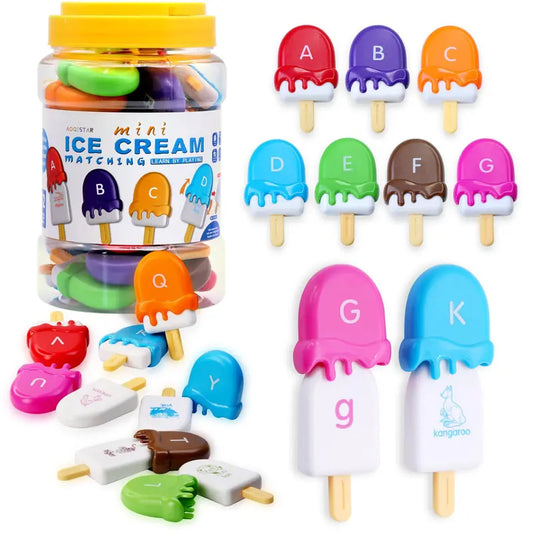
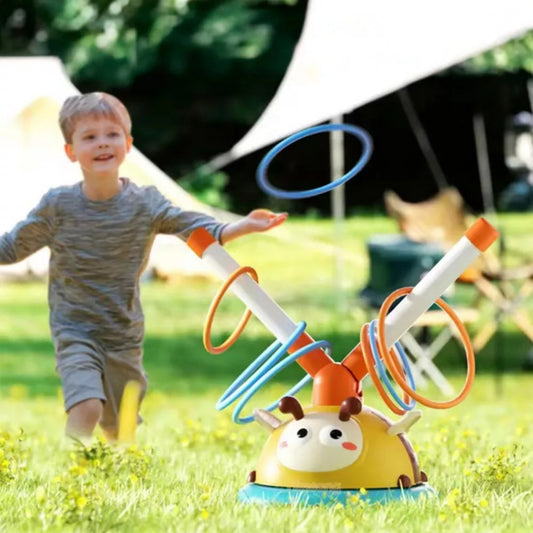
The right toys encourage children to participate rather than simply observe.
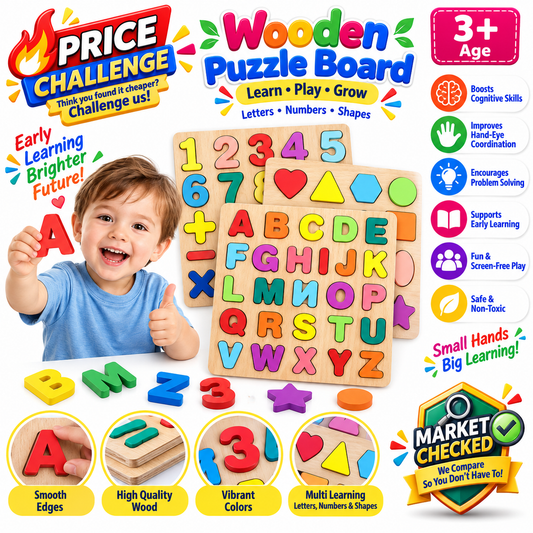
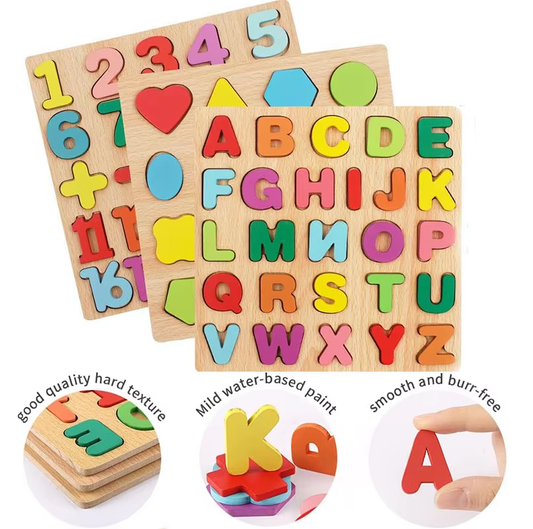
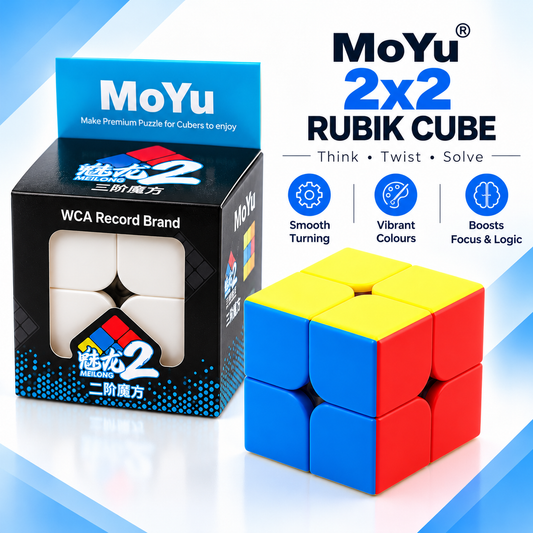
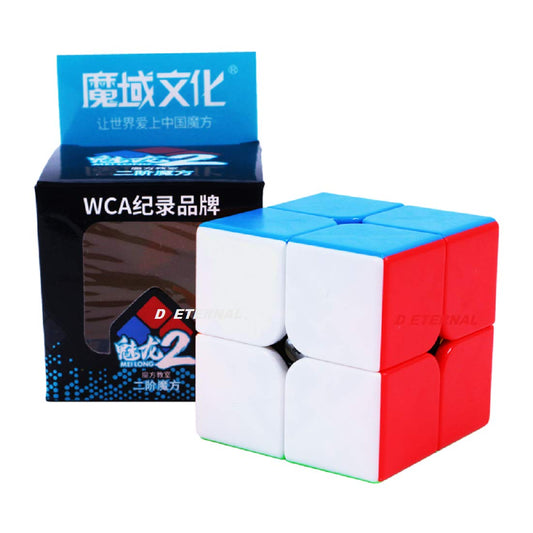
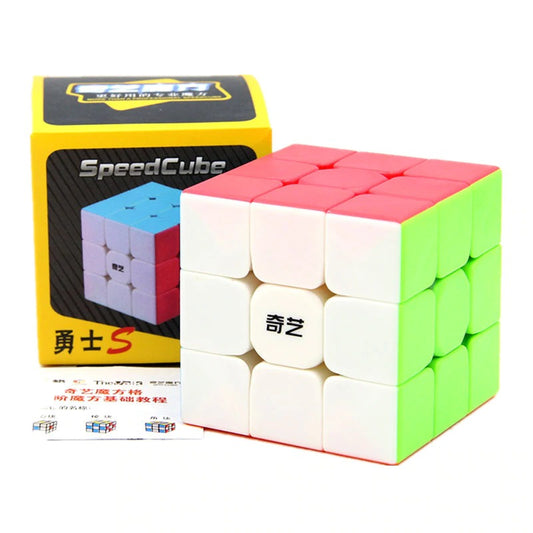
🧩 1. Puzzles and Brain Games
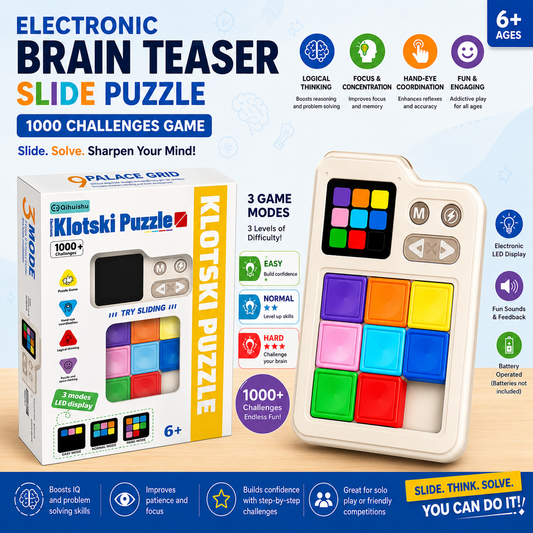
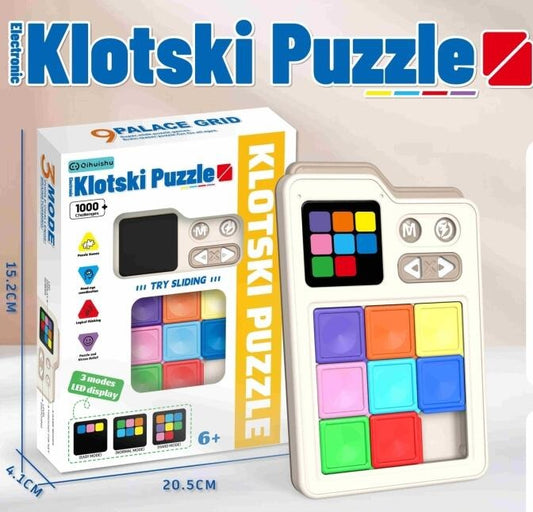
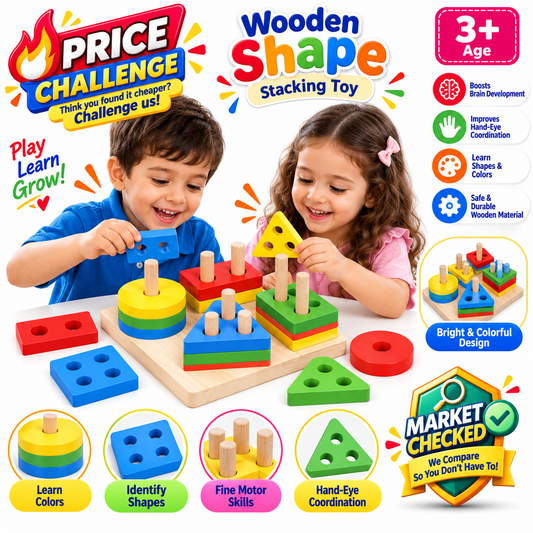
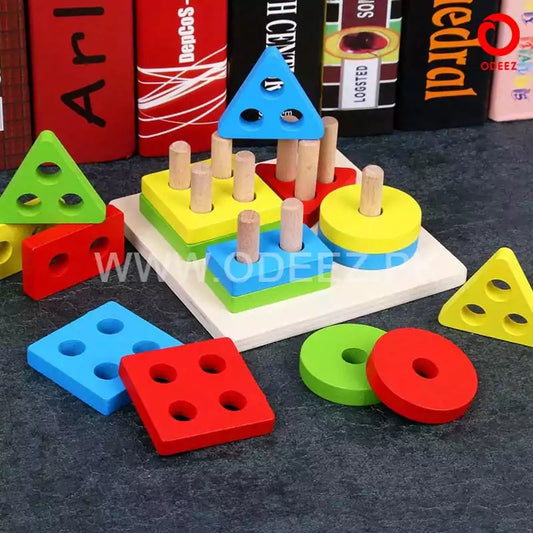
Puzzles teach children to think logically and stay focused.
They help improve:
-
Concentration
-
Memory
-
Patience
-
Problem-solving
These are among the most popular learning toys for kids in Pakistan.
🏗️ 2. Building and Construction Toys
Construction toys allow children to experiment, create, and solve problems independently.
They develop:
-
Spatial awareness
-
Engineering thinking
-
Creativity
-
Planning skills
Every new structure becomes a learning experience.
🔢 3. Counting and Math Learning Toys
Hands-on math activities make abstract concepts easier to understand.
Children learn:
-
Number recognition
-
Counting
-
Sorting
-
Early mathematical reasoning
Learning becomes enjoyable instead of stressful.
🎨 4. Creative and Art-Based Toys
Creative activities encourage children to imagine, explore, and express ideas.
Benefits include:
-
Artistic confidence
-
Fine motor development
-
Emotional expression
-
Innovative thinking
There are no right or wrong answers—only endless possibilities.
🎭 5. Role Play and Pretend Play Toys
Pretend play allows children to explore real-life situations through imagination.
Children develop:
-
Communication skills
-
Emotional intelligence
-
Social confidence
-
Decision-making abilities
These activities prepare children for everyday interactions.
Learning by Doing at Home: Simple Activities for Parents
Parents don't need expensive equipment to encourage active learning.
Here are simple ways to help:
-
Build puzzles together and discuss different solutions.
-
Ask children to sort everyday household objects by size or color.
-
Encourage storytelling using toys and picture cards.
-
Let children build structures using blocks or construction toys.
-
Allow children to make mistakes and discover solutions independently.
The goal is to guide rather than provide every answer.
Why Watching Alone Isn't Enough
Educational videos can introduce new ideas, but true learning happens when children apply those ideas through action.
For example:
Watching someone build a tower teaches observation.
Building the tower yourself teaches:
-
Balance
-
Planning
-
Trial and error
-
Patience
-
Confidence
Children remember experiences much longer than demonstrations.
How Educational Toys Support School Readiness
Children entering school need more than academic knowledge. They need practical skills developed through everyday experiences.
Educational toys help build:
-
Focus and attention
-
Problem-solving abilities
-
Creativity
-
Confidence
-
Fine motor coordination
-
Independent thinking
These foundational skills make classroom learning easier and more enjoyable.
Choosing Educational Toys That Promote Active Learning
When selecting educational toys for children in Pakistan, look for toys that:
-
Encourage hands-on exploration
-
Promote creativity and imagination
-
Offer multiple ways to play
-
Support independent learning
-
Challenge children to think rather than simply watch
The best educational toys grow with your child and continue offering new learning opportunities.
Why Learning Through Play Is the Future of Education
Modern education is shifting from memorization toward experiential learning. Schools and educators increasingly recognize that children understand concepts better when they actively participate.
Purposeful play helps children become:
-
Curious learners
-
Independent thinkers
-
Creative problem-solvers
-
Confident communicators
These qualities prepare them not only for school but also for lifelong success.
Final Thoughts
Children are naturally designed to explore, experiment, and discover the world around them. While educational videos and digital content may introduce ideas, real understanding comes from doing rather than watching.
By encouraging hands-on activities and choosing quality educational toys, Pakistani parents can help their children:
-
Learn through meaningful experiences
-
Develop stronger thinking skills
-
Build confidence and independence
-
Improve focus and creativity
-
Prepare for success in school and beyond
Every puzzle completed, every tower built, every story imagined, and every problem solved is another step toward raising a curious, capable, and lifelong learner.
