

Budget-Friendly Learning: Getting Maximum Educational Value from Every Toy

Let’s be honest—raising children in Pakistan is becoming expensive. With rising school fees and daily expenses, buying a mountain of new toys every month just isn't practical for most families.
But here is the secret: Children don’t need more toys; they need better toys.
A common mistake many parents make is buying cheap, plastic, battery-operated toys that break after a week. While they seem cheap upfront, they offer zero long-term value. Instead, shifting your mindset to "Investment Toys" can actually save you money while doubling your child's learning
.
Here is how to shop smart and get maximum educational value out of every rupee you spend at Odeez.
1. The "One Toy, Many Games" Rule (Open-Ended Play)
Before you buy a toy, ask yourself: "Can this toy only do one thing?" If a toy only sings a song when you press a button, your child will get bored in 20 minutes. This is a low-value toy.
Instead, look for Open-Ended Toys. These are toys that can be used in different ways as the child grows.
-
Example: A set of Wooden Blocks or Magnetic Tiles.
-
At age 2: They are for stacking and knocking over (Motor Skills).
-
At age 4: They are for color sorting and counting (Math).
-
At age 6: They are for building castles and bridges (Engineering). Result: You buy one toy that lasts for 5 years. That is incredible value for money.
2. Prioritize Durability: The "Hand-Me-Down" Test
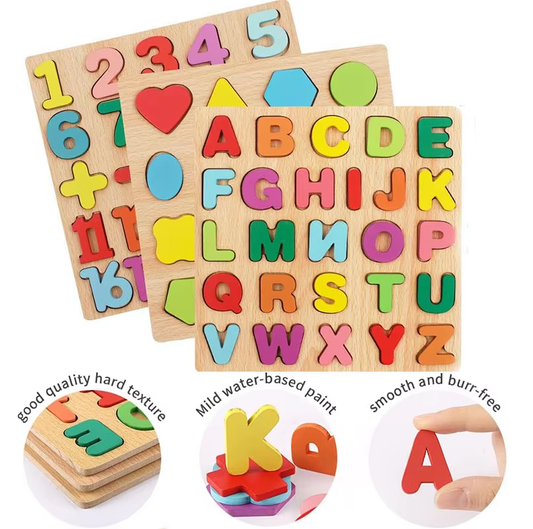
In Pakistani families, we love passing things down to younger siblings or cousins. Cheap plastic toys crack and lose parts. High-quality Wooden Toys, however, are virtually indestructible. While a wooden puzzle might cost slightly more than a flimsy plastic one, it will survive being thrown, stepped on, and chewed. When your first child outgrows it, it is ready for the second child. This reduces your long-term spending significantly.
3. The Magic of Toy Rotation
Do you feel like your child has "nothing to play with" despite a room full of toys? They aren't bored; they are overwhelmed. You don’t need to buy new toys to spark interest. Try Toy Rotation:
-
Pack 50% of their current toys into a box and hide it in the cupboard.
-
Leave only a few high-quality toys out.
-
After 2 weeks, swap them. The Result: Old toys feel brand new again! This simple trick stops the urge to impulse buy new items just to keep them entertained.
4. Smart Budget Picks at Odeez (Under Rs. 1500)
You don’t need to spend thousands to get educational value. Here are some of our best "High Value, Low Cost" picks:
-
Lacing Beads: Excellent for focus and fine motor skills.
-
Tangram Puzzles: A single puzzle that creates endless shapes and boosts logic.
-
Art Supplies: A simple sketchbook and crayons offer more creativity than an expensive electronic gadget.
Age-Wise Budget-Friendly Recommendations
-
For Toddlers (Ages 2-4): Budget Rs. 2,000-4,000
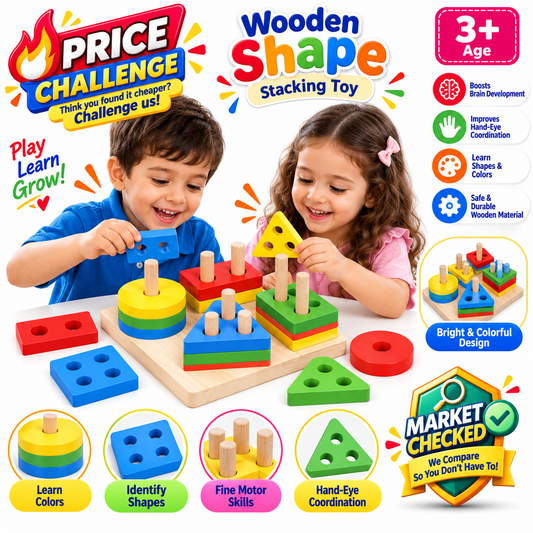
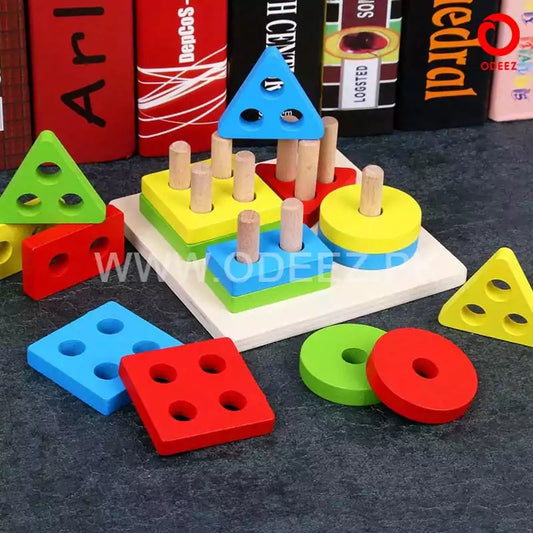
Priority purchases include shape sorting toys (Rs. 800-1,200), wooden building blocks (Rs. 1,000-1,500), simple puzzle sets (Rs. 600-1,000), and crayons with coloring books (Rs. 400-600). These four items cover all major developmental areas for under Rs. 4,000 and will be used daily for 2-3 years. -
For Preschoolers (Ages 4-6): Budget Rs. 3,000-5,000
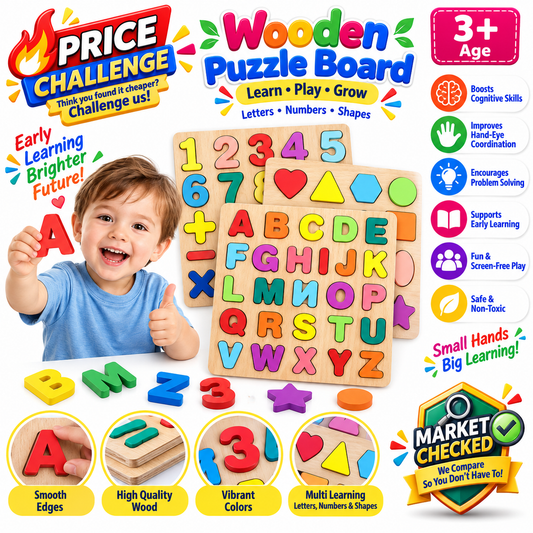
Focus on alphabet and number learning boards (Rs. 1,200-1,800), counting toys or abacus (Rs. 800-1,200), art supplies sets (Rs. 600-1,000), simple board games (Rs. 800-1,200), and building or construction toys (Rs. 1,500-2,500). This combination prepares your child for primary school while keeping them engaged at home.
-
For School-Age Children (Ages 6-9): Budget Rs. 4,000-7,000
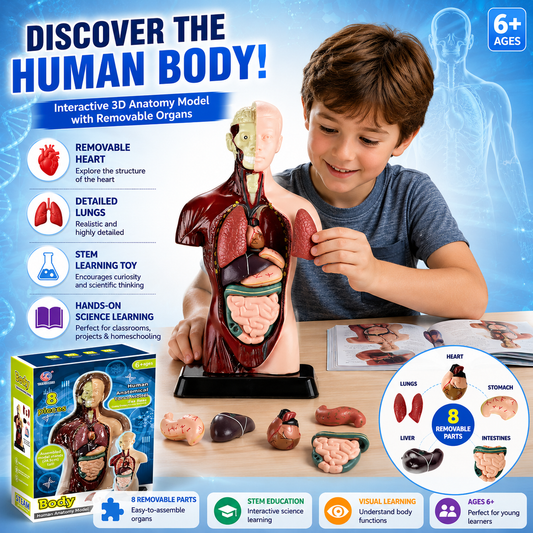
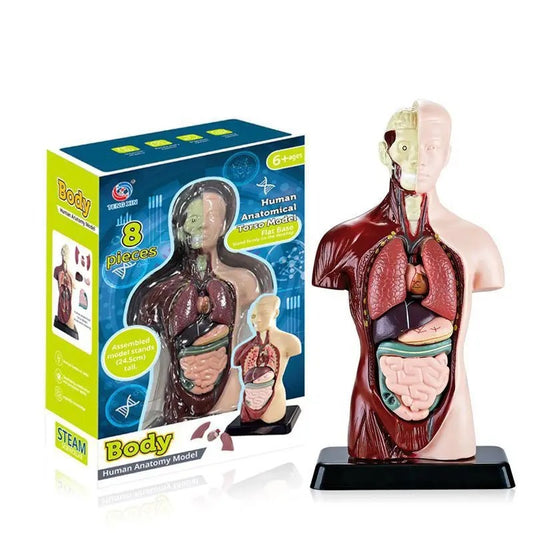
Priority purchases include STEM building kits (Rs. 2,000-3,500), strategy board games (Rs. 1,200-2,000), science experiment kits (Rs. 1,500-2,500), and advanced puzzles (Rs. 800-1,500). These toys support school curriculum while making learning fun.
-
For Preteens (Ages 9-12): Budget Rs. 5,000-10,000
Invest in advanced STEM or robotics kits (Rs. 3,000-5,000), complex strategy games (Rs. 1,500-2,500), creative building sets (Rs. 2,000-3,500), and educational books with activity kits (Rs. 1,000-2,000). Investment in STEM skills at this age can influence career interests and academic success.
Red Flags: When a Deal Isn't Worth It -
Extremely cheap knockoffs
A Rs. 300 puzzle that falls apart in a week isn't a bargain. Cheap toys often have sharp edges, toxic materials, pieces that break immediately, and poor educational design. -
Single-use or trend-based toys
That character toy your child desperately wants today will likely be forgotten next month. Unless it has genuine educational value, it's not budget-friendly. -
Toys requiring constant purchases
Some toys need expensive batteries, refills, or add-ons. Calculate the total cost of ownership, not just the initial price.
Questions to Ask Before Every Purchase
Make these your shopping checklist:
-
Will my child use this for at least 6 months?
-
Does it teach multiple skills?
-
Can it grow with my child or be used in different ways?
-
Is it safe and well-made?
-
Will it reduce screen time?
-
Does it support what my child is learning in school?
-
Can siblings of different ages use it?
If you answer yes to most questions, it's likely a smart investment.
Final Thoughts
Budget-friendly doesn't mean cheap—it means strategic. Every rupee you spend on your child's learning should deliver maximum educational value.
By choosing quality over quantity, investing in multi-purpose toys, and making the most of what you own, you can create a rich learning environment without financial stress.
Remember: the best educational toy isn't the most expensive one—it's the one your child actually uses, learns from, and enjoys. That's the real measure of value.
Ready to make smart choices for your child's learning journey? Explore Odeez's collection of budget-friendly educational toys designed specifically for Pakistani families. From building blocks to STEM kits, every product is selected for maximum educational value.
Shop with confidence knowing you're investing in your child's future—one smart toy choice at a time.
