







How to Raise Curious and Creative Kids in Pakistan

In today’s rapidly changing world, curiosity and creativity are two of the most important qualities a child can develop. Whether your child becomes a doctor, engineer, artist, entrepreneur, or anything in between, their ability to ask questions, think deeply, explore ideas, and create solutions will shape their future success. The good news is that these skills can be nurtured at home with simple habits and thoughtful parenting.
In many Pakistani households, academic performance often becomes the main focus, while creativity and exploration take a back seat. But children who are encouraged to ask questions and think creatively develop stronger confidence, better problem-solving abilities, and a lifelong love for learning.
Here is how you can raise curious and creative kids in a Pakistani environment.
1. Encourage Questions Even When They Are Difficult
Pakistani children naturally love to ask questions such as “Yeh kyun hota hai?” or “Aasman neela kyun hota hai?” Instead of brushing these queries aside with a quick answer, turn them into opportunities for discovery.
Try the following:
-
Ask, “Tumhein kya lagta hai?” so they think before you answer.
-
Look up answers together using supervised apps or videos.
-
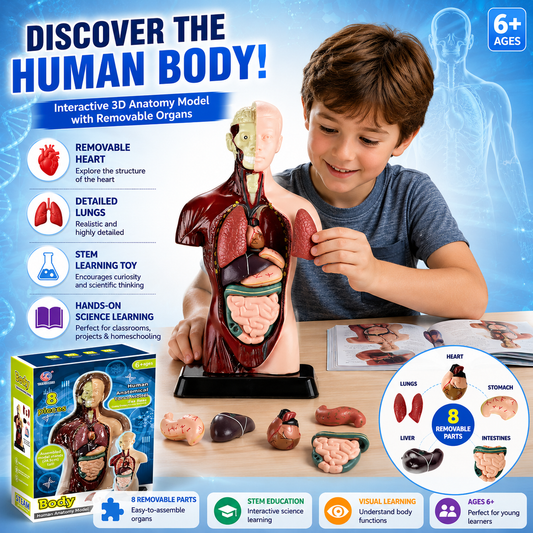
Let them explore and test ideas through safe hands-on activities.
Children who feel heard and valued grow more confident in expressing their curiosity.
2. Create a Small Creative Corner at Home
Even if you live in a small apartment, one corner of the house can be reserved as a “learning space.” This gives children a place where they can think, build, draw, and imagine without distractions.
Add simple items like:
-
Coloring books, markers, and scrap paper
-
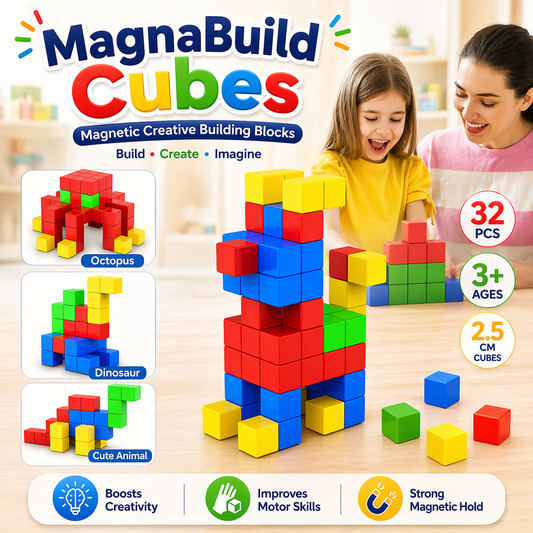
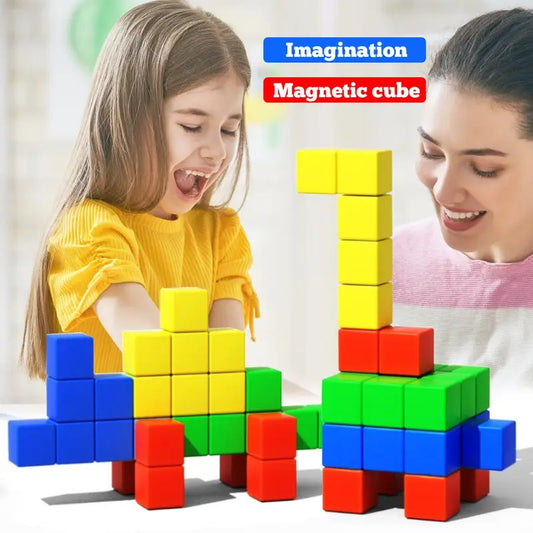
Building blocks or magnetic tiles
-
Playdough or homemade dough
-
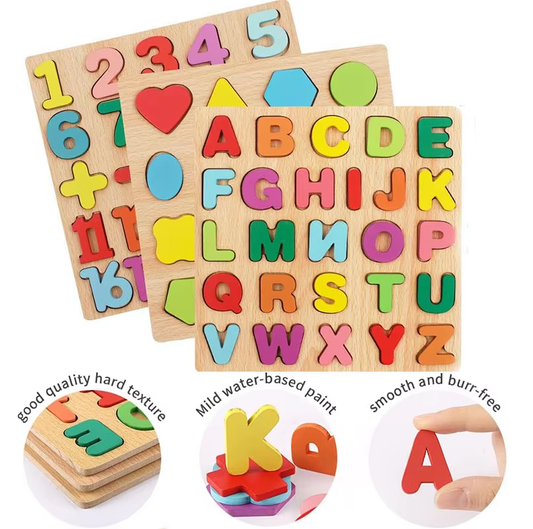
Shape sorters and puzzles
-
Picture books in Urdu and English
A dedicated space inspires focus and creativity.
3. Allow Creative Mess
Many Pakistani parents worry about “ganda ho jayega.” However, messy play is extremely helpful for sensory development and imaginative thinking.
Good messy activities include:
-
Finger painting
-
Water play in a small tub
-
Sensory bins made with rice, lentils, or beans
-
Clay modeling
-
DIY crafts using old boxes, bottles, and buttons
These experiences encourage children to experiment and explore freely.
4. Choose Open-Ended Toys
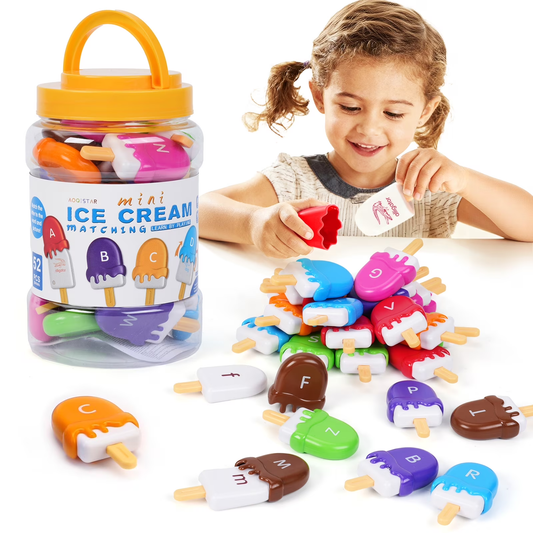
Open-ended toys can be used in multiple ways and help children think creatively without strict rules. They are especially great for ages 2 to 8.
Popular choices include:
-
Pretend play sets like kitchen or doctor kits
These toys promote imagination, early STEM thinking, and problem-solving.
5. Manage Screen Time Wisely
Screens have become a common part of life in Pakistan, especially for busy parents. Instead of banning screens completely, aim for healthy limits.
Simple rules work well:
-
Avoid screens during meals
-
Select educational content such as Khan Academy Kids
-
Watch together when possible and discuss what they see
Real-world exploration will always stimulate creativity more than digital entertainment.
6. Let Your Child Solve Simple Problems
Pakistani parents often want to help quickly by tying shoes, building toys, or solving puzzles. While this shows love, children also need time to struggle and figure things out.
Encourage them to:
-
Pour their own water
-
Pick up toys after play
-
Try puzzles without interference
-
Build something even if it breaks
-
Make small choices such as snacks, clothes, or books
Problem-solving builds confidence and fuels independent thinking.
7. Read with Your Child Every Day
Reading is one of the strongest foundations for curiosity and creativity. Even ten minutes of reading daily makes a major difference.
Helpful options include:
-
Urdu storybooks
-
Islamic stories
-
English picture books
-
Early learning books
Reading strengthens imagination, vocabulary, and emotional development.
8. Spend Time Outdoors
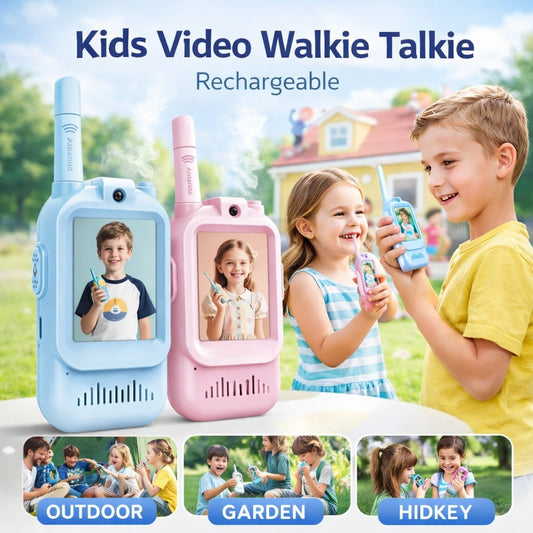
Nature sparks curiosity faster than any toy or screen. You do not need to plan big trips. Even simple outdoor time is valuable.
Explore:
-
Local parks
-
Beaches if you live near the coast
-
Hiking spots
-
Zoos
-
Nearby gardens
-
Evening walks in the neighbourhood
Children notice sounds, textures, animals, plants, and patterns that inspire questions and exploration.
9. Allow Healthy Boredom
Boredom is not a bad thing. In fact, psychologists say boredom encourages children to think creatively and come up with their own ideas.
If your child says, “Mujhe bore ho raha hai,” avoid giving a screen immediately. Give them time. You may be surprised at what they imagine or create next.
Final Thoughts
Raising curious and creative kids in Pakistan is not about expensive toys or international schools. Children grow best when they are allowed to explore, imagine, and ask questions. What matters most is your support, encouragement, and willingness to let them experience the world in their own way.
With small habits and thoughtful parenting, you can help your child build confidence, independence, and a strong desire to learn. These qualities will guide them throughout life, no matter which path they choose.
