








Reducing Screen Time Through Play: Building Healthier Learning Habits at Every Age

In today’s digital-first world, screen time affects not only young children but learners of all ages. From toddlers to school-going kids, excessive use of mobile phones and tablets can impact focus, creativity, and real-world learning. Pakistani parents are increasingly looking for screen-free, educational alternatives—and play-based learning offers a practical and effective solution.
Play encourages active engagement, critical thinking, and meaningful learning beyond screens.
Why Reducing Screen Time Matters for Children of All Ages
Whether a child is a preschooler or in primary school, balanced screen use is essential for healthy development.
Reducing screen time helps children:
-
Develop problem-solving and thinking skills
-
Strengthen social interaction and communication
-
Build healthy routines and discipline
This is why educational toys and games are becoming a preferred choice for families.
How Play Supports Learning Without Screens
Play is a natural learning process that adapts to a child’s age and abilities. Unlike digital content, toys and games require hands-on interaction and mental effort.
Through play, children learn to:
-
Think independently
-
Explore concepts at their own pace
-
Stay engaged for longer periods
-
Learn through trial and error
This makes play a powerful alternative to screen-based entertainment.
Types of Educational Play That Reduce Screen Time
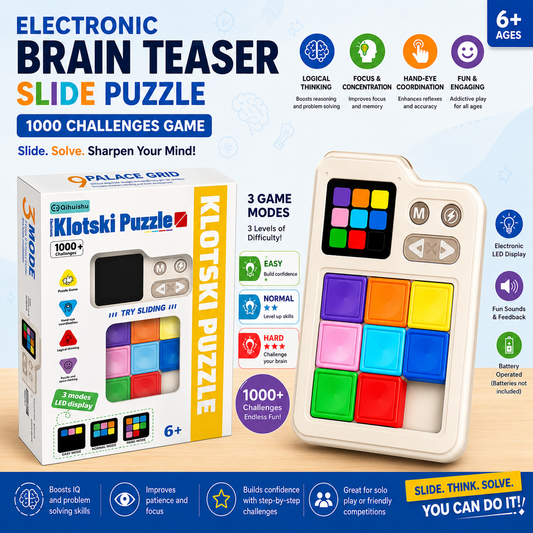
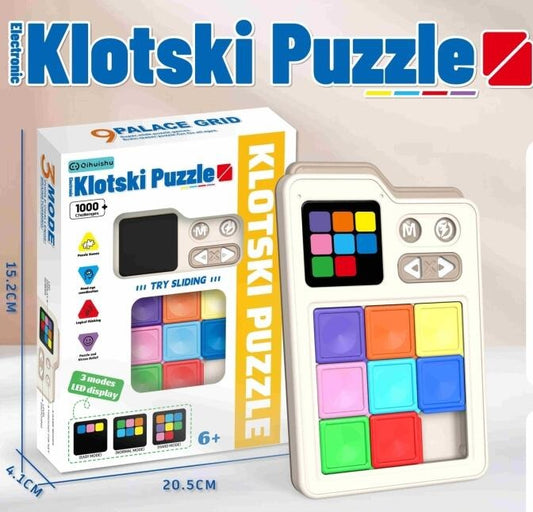
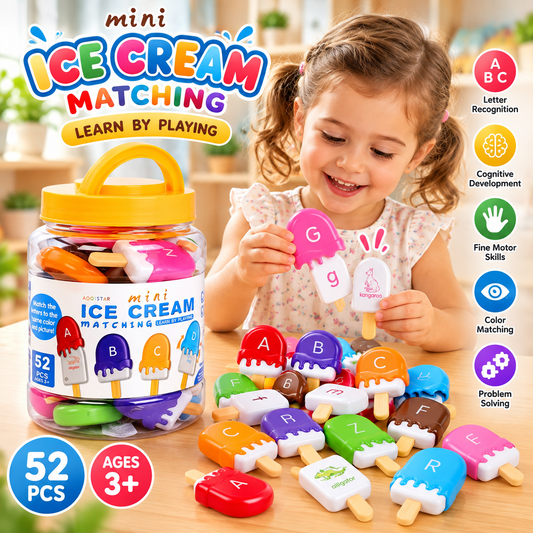
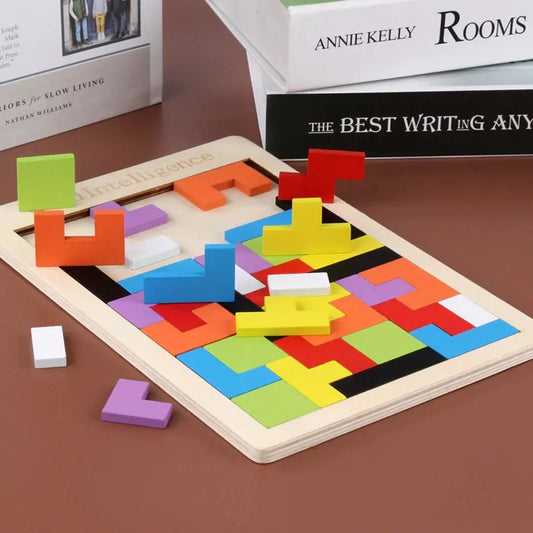
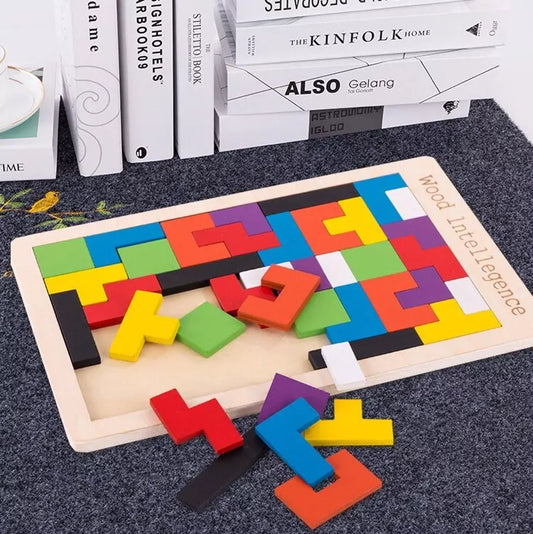
🧩 1. Puzzles and Strategy Games
Puzzles and logic-based games challenge the mind and improve focus.
They help with:
-
Critical thinking
-
Patience and perseverance
-
Memory and concentration
Suitable for both younger and older children.
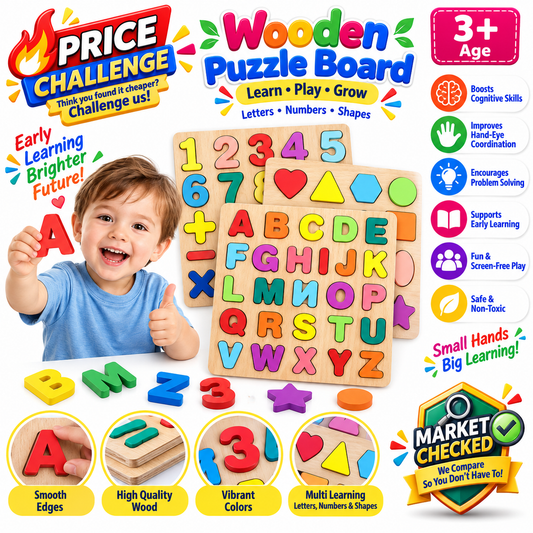
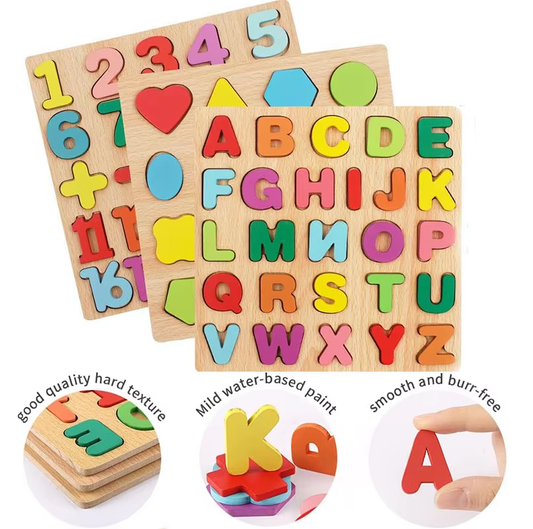
🔢 2. Math, Logic, and Skill-Building Toys
Hands-on learning tools make abstract concepts easier to understand.
Benefits include:
-
Better number sense and reasoning
-
Strong problem-solving skills
-
Increased confidence in academics
These toys support learning beyond memorization.
🎨 3. Creative and Art-Based Play
Creative activities allow children to express ideas freely.
They improve:
-
Imagination and originality
-
Fine motor coordination
-
Emotional balance and self-expression
Creative play keeps children productively occupied without screens.
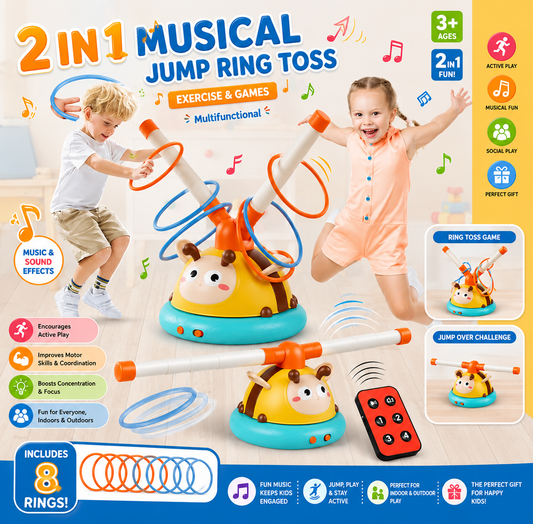
🧠 4. Role Play, Construction, and Pretend Play
Open-ended toys encourage children to create scenarios and stories.
Children develop:
-
Communication and teamwork skills
-
Leadership and decision-making abilities
-
Real-life understanding
This type of play grows with the child’s age and interests.
How Parents Can Reduce Screen Time Through Play at Home
Parents can guide children toward healthier habits without conflict.
Practical strategies for families:
-
Set clear screen-free hours at home
-
Introduce age-appropriate educational toys
-
Encourage family games and group activities
-
Rotate toys and games to maintain interest
-
Model healthy screen habits as adults
A balanced approach works better than strict restrictions.
Educational Play vs Digital Entertainment
Why play-based learning is more effective:
-
Encourages active participation
-
Strengthens cognitive and emotional development
-
Improves attention span naturally
-
Supports long-term learning habits
Screens provide instant entertainment, while play builds lasting skills.
Long-Term Benefits of Reducing Screen Time Through Play
Children who engage more in educational play often show:
-
Improved academic performance
-
Better focus and discipline
-
Strong creativity and innovation
-
Healthier emotional and social development
These benefits support success both in school and everyday life.
Final Thoughts: Choosing Play Over Screens for Lifelong Learning
Reducing screen time is not about removing technology completely—it’s about creating balance through meaningful play. Educational toys and games help children stay curious, engaged, and mentally active.
By choosing quality, purpose-driven play tools, Pakistani parents can:
-
Encourage independent thinking
-
Support learning at every stage
-
Invest in skills that last beyond childhood
When play becomes intentional, screens naturally take a back seat—and learning becomes a lifelong habit.
