



The Art of Focus: Puzzles That Increase Concentration for Schoolwork

In today’s digital age, many Pakistani parents worry about short attention spans and excessive screen time in young children. Between online videos and mobile games, kids often struggle to focus on schoolwork. This is where puzzles for kids play a powerful role—helping children build concentration, patience, and problem-solving skills through play.
Why Focus and Concentration Matter in Early Childhood
Between the ages of 2 to 8 years, a child’s brain develops rapidly. This is the stage when attention span, memory, and logical thinking are formed.
Strong focus helps children:
-
Follow instructions in school
-
Complete homework independently
-
Improve reading, writing, and math skills
-
Develop self-confidence and discipline
Learning to concentrate early makes school life easier and more enjoyable later on.
How Puzzles Help Improve Focus and Attention
Puzzles naturally train the brain to stay engaged until a task is completed. Unlike screens, puzzles require active thinking rather than passive watching.
Key ways puzzles build concentration:
-
Encourage children to sit and focus for longer periods
-
Teach patience and step-by-step thinking
-
Improve visual attention and observation skills
-
Reduce restlessness and impulsive behavior
This makes puzzles excellent educational toys for kids in Pakistan.
Types of Puzzles That Support School Readiness
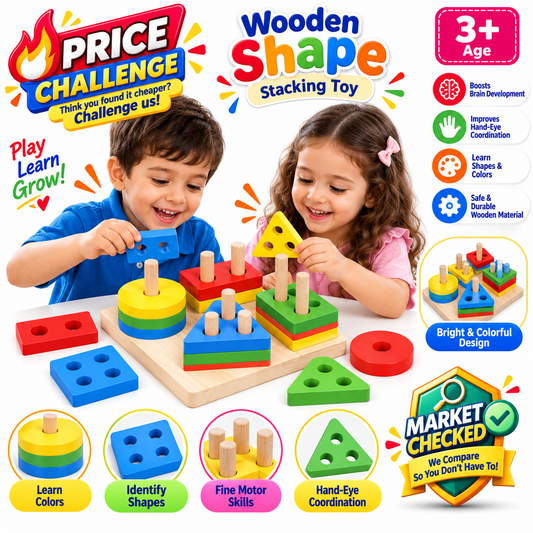
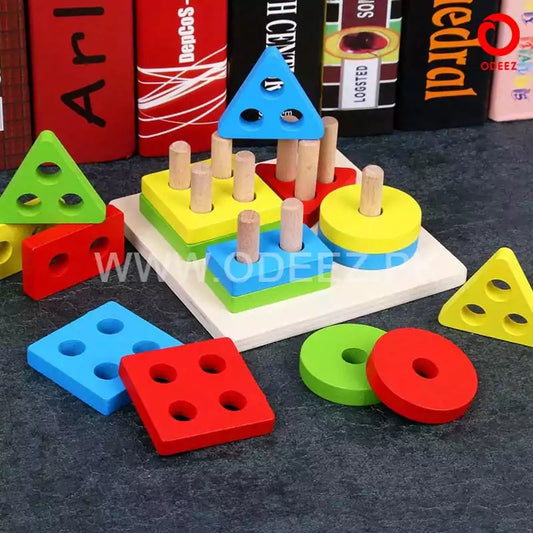
1. Shape and Sorting Puzzles (Ages 2–4)
These puzzles help toddlers recognize shapes, colors, and patterns.
Benefits include:
-
Better hand-eye coordination
-
Improved attention to detail
-
Early logical thinking
They are ideal as learning toys for toddlers.
2. Jigsaw Puzzles (Ages 3–8)
Jigsaw puzzles teach children to focus on the big picture while working on small details.
They help with:
-
Memory and visual processing
-
Problem-solving skills
-
Sitting calmly and completing tasks
These skills directly support classroom learning.
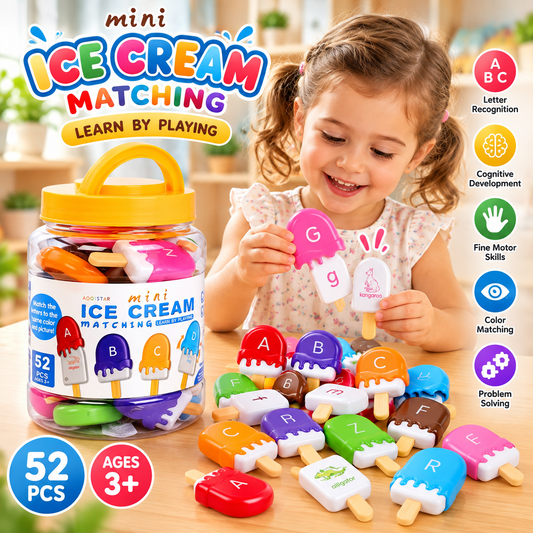
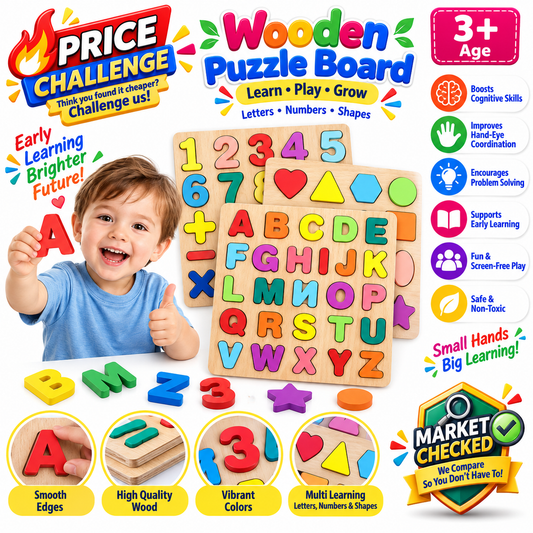
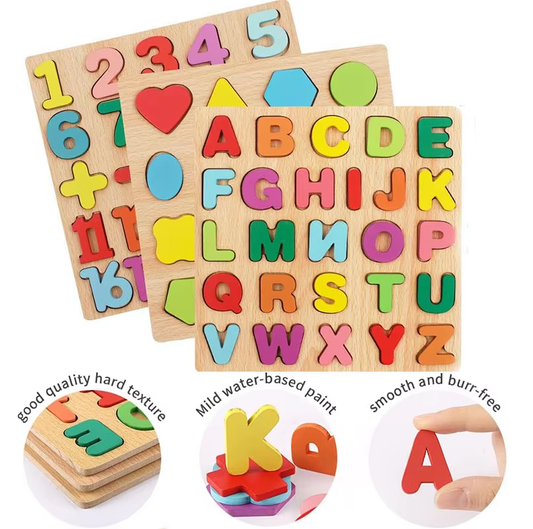
3. Number and Alphabet Puzzles
These puzzles introduce early literacy and numeracy in a playful way.
Children learn to:
-
Recognize letters and numbers
-
Associate shapes with sounds
-
Build confidence for schoolwork
They are perfect educational toys for school-going kids.
How Parents Can Use Puzzles at Home Effectively
Puzzles work best when parents create a supportive learning environment.
Practical tips for Pakistani parents:
-
Set a daily 15–20 minutes puzzle time instead of screen time
-
Sit with younger children and guide without giving answers
-
Praise effort, not just completion
-
Increase puzzle difficulty gradually
This approach strengthens focus without pressure.
Puzzles vs Screen Time: A Healthier Choice
While screens provide instant entertainment, puzzles develop deep concentration.
Why puzzles are better:
-
No eye strain or digital addiction
-
Encourage active thinking
-
Improve academic readiness
-
Support emotional regulation
This makes puzzles one of the best screen-free educational toys for children.
Long-Term Benefits of Puzzle-Based Learning
Regular puzzle play helps children develop skills that go beyond academics:
-
Improved attention span
-
Better memory and reasoning
-
Stronger problem-solving abilities
-
Increased independence and confidence
These benefits support both school success and life skills.
Final Thoughts: Building Focus Through Meaningful Play
In a world full of distractions, helping children develop focus is a priceless gift. Puzzles are more than toys—they are tools that shape thinking, patience, and learning habits.
By choosing quality educational puzzles, Pakistani parents can:
-
Reduce screen time naturally
-
Support school readiness
-
Invest in long-term cognitive development
When learning feels like play, children don’t just memorize—they truly understand.
