












How Kids Build Thinking and Memory Skills

A child’s early years are full of rapid brain development. Every new sound, colour, texture, movement, and interaction strengthens the neural pathways that shape thinking, memory, and problem-solving abilities. These skills do not develop overnight. They grow through meaningful experiences, exploration, and everyday learning opportunities. Understanding how children build thinking and memory skills helps parents make better choices that support healthy brain development.
In Pakistan, where academics often take centre stage from an early age, many parents overlook the importance of playful learning. Yet it is through natural discovery and hands-on activities that children learn to think, remember, and make sense of the world. Here is how kids develop these essential skills and what you can do to help.
1. Through Repetition and Practice
Repetition strengthens memory because the brain forms stronger connections each time a task is repeated. Children learn to remember shapes, colours, names, and routines by experiencing them again and again.
Examples include:
-
Singing the same nursery rhymes
-
Practicing alphabets or counting daily
-
Doing similar puzzles with slight variations
-
Following simple household routines
Consistent repetition builds both short-term and long-term memory.
2. Through Play-Based Learning
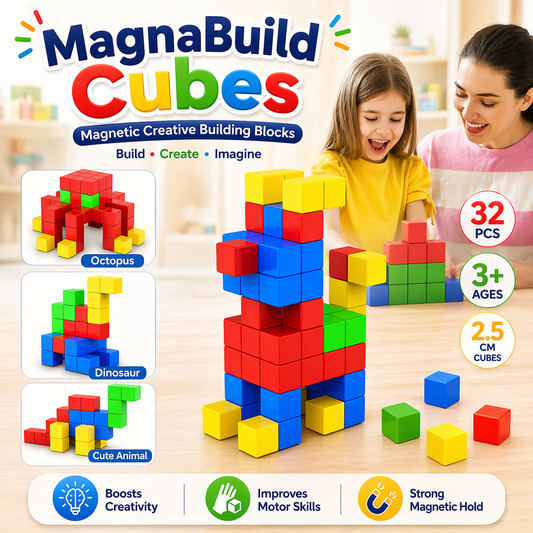
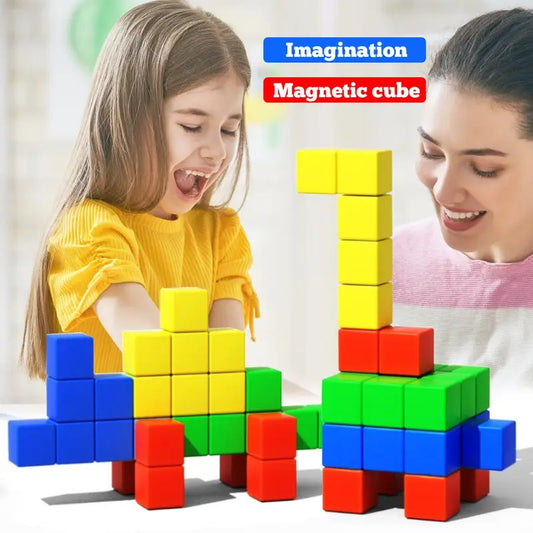
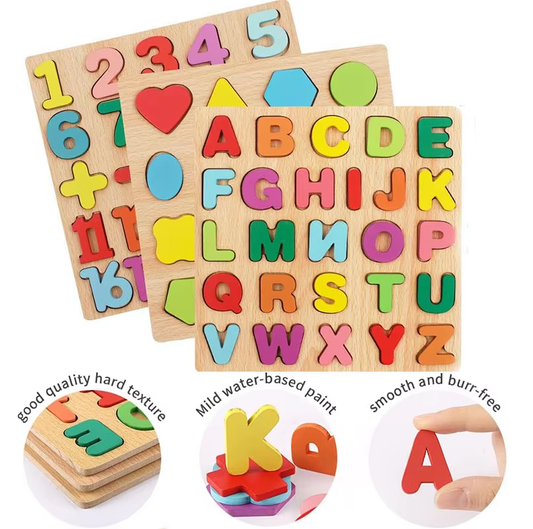
Play is one of the most powerful ways children learn to think. When kids build towers, match shapes, move cars through tunnels, or pretend to cook, their brain processes information, compares patterns, and creates new connections.
Play develops:
-
Early logic
-
Attention span
-
Imagination
-
Cause and effect understanding
-
Spatial thinking
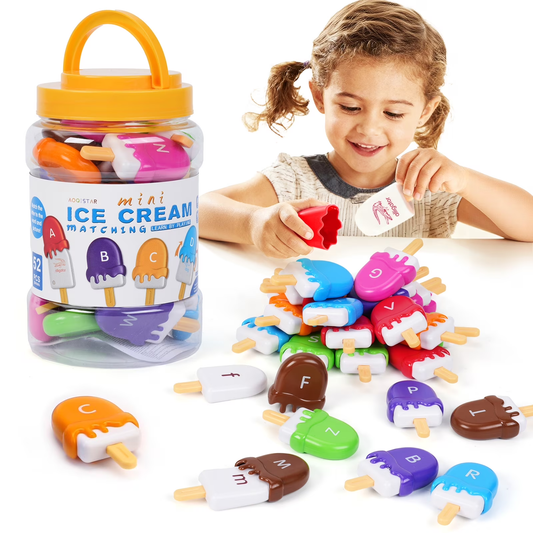
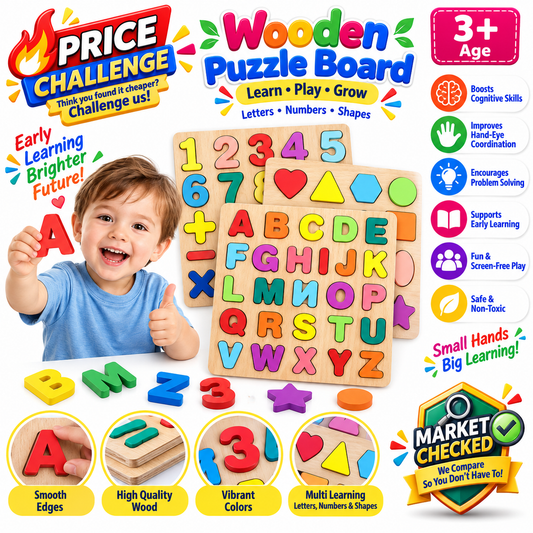
This is why toys like building blocks, magnetic tiles, puzzles, stacking toys, and pretend-play sets are so beneficial.
3. Through Asking Questions
Children are natural question machines. “Yeh kya hai?”, “Kaise hota hai?”, and “Kyun hota hai?” are signs that their thinking skills are expanding. Every question invites curiosity and strengthens cognitive development.
Instead of giving short answers, try asking:
-
“Tumhein kya lagta hai?”
-
“Iska doosra tareeqa kya ho sakta hai?”
-
“Chalo saath mil kar dekhte hain.”
This encourages kids to think critically rather than memorize answers.
4. Through Observation and Exploration
Children learn by watching and exploring. When they see how water fills a cup, how paint changes colours when mixed, or how magnets attract metal, they build a mental library of information.
Encourage exploration by offering:
-
Sensory play with rice, lentils, or sand
-
Outdoor walks to observe plants and insects
-
Simple science activities at home
-
Free time without screens
Real-world experiences improve both thinking and memory retention.
5. Through Storytelling and Reading
Reading stories improves attention, vocabulary, imagination, and recall. Storybooks in Urdu and English help children remember characters, sequences, and details.
Benefits of storytelling:
-
Strengthens memory
-
Improves listening skills
-
Encourages creative thinking
-
Builds emotional intelligence
Even ten minutes of reading daily can make a big difference.
6. Through Problem-Solving Activities
Puzzles, mazes, matching cards, and building sets challenge kids to think step by step. When they try and try again until they succeed, their brain learns to plan, analyze, and solve problems independently.
Examples that build thinking skills:
-
Shape sorters
-
Colour sorting toys
-
Pattern-making toys
-
Lego and engineering sets
These activities teach children perseverance and logical thinking.
7. Through Social Interaction
Talking, playing, and working with others helps children learn how to process information and respond appropriately. Conversations with parents, siblings, and friends build communication skills and strengthen memory.
Social interaction teaches children to:
-
Listen and recall information
-
Understand instructions
-
Organize thoughts
-
Connect experiences with emotions
This supports strong cognitive growth at every stage.
8. Through Healthy Sleep and Nutrition
A child’s brain needs rest and proper nutrition to grow effectively. Sleep strengthens memory consolidation, while nutritious food supports attention, energy, and learning.
Helpful habits:
-
A consistent bedtime routine
-
Limited screen time before sleep
-
Balanced meals with fruits, vegetables, proteins, and dairy
A well-rested, well-nourished child learns faster and thinks better.
How Parents in Pakistan Can Help
Parents play an important role in shaping thinking and memory skills. You do not need expensive toys or international programs. Simple steps can make a big impact.
Try to:
-
Talk to your child often
-
Offer a mix of structured and free play
-
Encourage questions and curiosity
-
Do small problem-solving tasks together
-
Read daily and explore outdoors when possible
These small habits create a strong learning foundation.
Final Thoughts
Thinking and memory skills grow gradually through everyday experiences. Children absorb information through play, repetition, curiosity, and exploration. With the right support at home, Pakistani children can develop strong cognitive abilities that help them succeed in school and life. When parents create a learning-rich environment, they give their child the confidence to question, explore, and think independently.
