







Smart Toys for Preteens: Preparing Your Child for the Digital Future

Preteens, typically between the ages of 9 and 12, stand at a crucial stage of development. They are no longer little children, yet not fully teenagers. This is the age when curiosity deepens, logical thinking improves, and digital exposure becomes unavoidable. Instead of resisting technology, smart parenting focuses on guiding children toward healthy, skill-building digital experiences.
Smart toys play a powerful role in this transition. They combine learning with technology and help preteens develop essential future skills such as problem-solving, coding, creativity, and digital responsibility. For parents in Pakistan, choosing the right smart toys can prepare children for a tech-driven world while maintaining balance and safety.
Why Smart Toys Matter for Preteens
The future job market will demand more than academic knowledge. Skills like critical thinking, adaptability, collaboration, and digital literacy will define success. Smart toys introduce these concepts early through hands-on play rather than passive screen consumption.
Smart toys help preteens:
-
Understand how technology works
Develop logical and analytical thinking -
Learn coding and sequencing basics
-
Improve creativity and innovation
-
Build confidence in problem-solving
-
Use technology responsibly
Rather than increasing screen addiction, the right smart toys turn technology into a learning tool.
What Makes a Toy “Smart”?
Smart toys are not just electronic toys with lights and sounds. True smart toys encourage interaction, thinking, and creativity.
A smart toy should:
-
Promote active participation, not passive watching
-
Teach problem-solving or logic
-
Encourage creativity or experimentation
-
Offer open-ended play opportunities
-
Balance digital elements with hands-on engagement
Top Smart Toy Categories for Preteens
1. Coding and Programming Toys
Coding toys introduce children to programming concepts in a fun, age-appropriate way. Preteens learn how commands work, how sequences affect outcomes, and how to fix errors.
Skills developed:
-
Logical thinking
-
Computational reasoning
-
Attention to detail
-
Problem-solving
Coding toys are an excellent foundation for future tech learning without overwhelming children.
2. Robotics and Engineering Kits
Robotics kits allow children to build and control machines. These toys combine mechanics, electronics, and logic into one engaging experience.
Benefits include:
-
Understanding how machines work
-
Strengthening engineering concepts
-
Improving patience and focus
-
Encouraging experimentation
Robotics toys are especially valuable for preteens who enjoy hands-on challenges.
3. STEM Experiment Kits
Science-based smart toys allow children to explore chemistry, physics, energy, and mechanics through experiments.
Examples include:
-
Circuit and electricity kits
-
Solar energy models
-
Mechanical engineering projects
-
Science lab experiment sets
These toys strengthen scientific thinking and curiosity while making learning exciting.
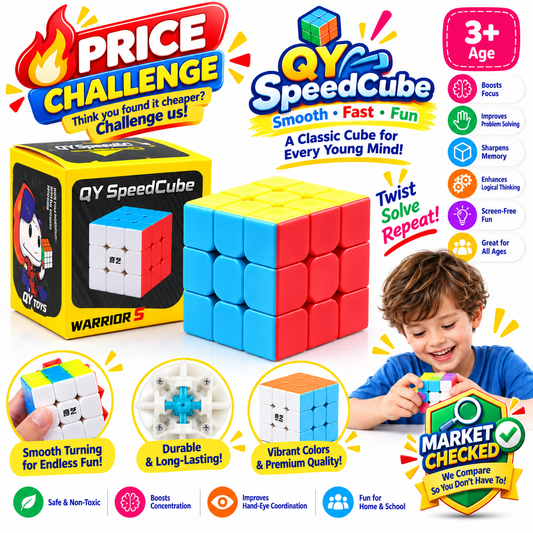
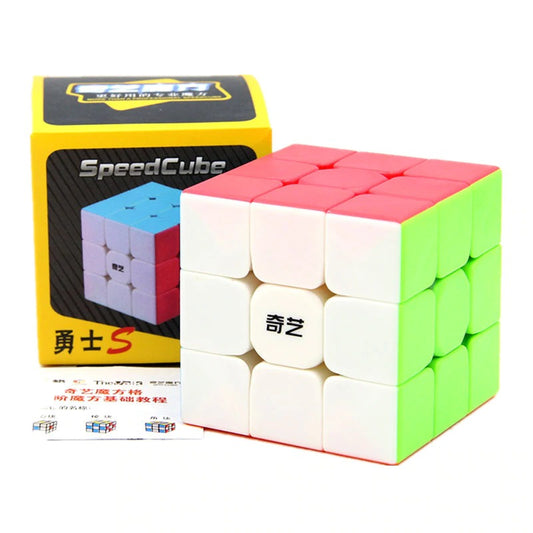
4. Logic, Strategy, and Brain Games
Smart board games and brain challenges sharpen memory, planning, and decision-making skills.
Skills developed:
-
Strategic thinking
-
Pattern recognition
-
Critical analysis
-
Long-term planning
These toys are ideal for reducing screen time while still developing digital-age thinking skills.
5. Creative Technology Toys
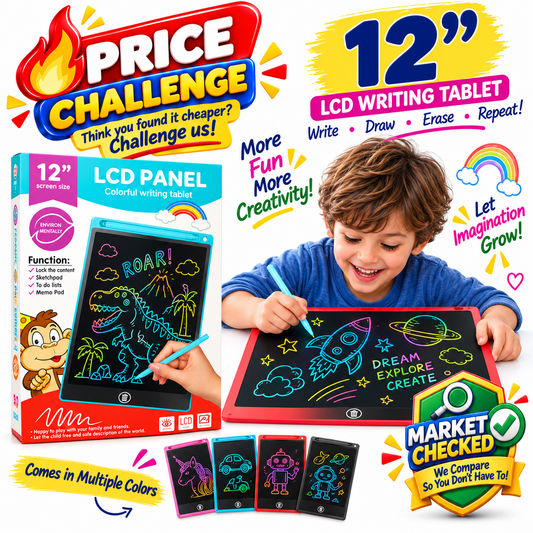
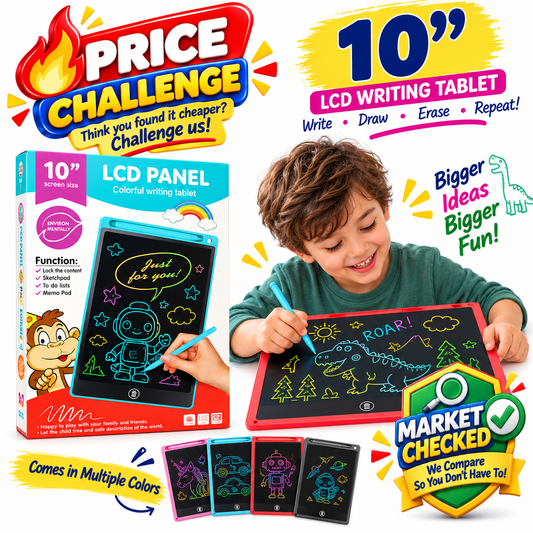
Some smart toys focus on creativity rather than coding. These include digital art tools, music creation kits, animation boards, and design-based toys.
Benefits include:
-
Encouraging innovation
-
Developing digital creativity
-
Building confidence in self-expression
-
Supporting artistic interests
Creativity is a core future skill, and technology can enhance it when used wisely.
Balancing Smart Toys and Screen Time
Pakistani parents often worry about excessive screen exposure. Smart toys help maintain balance because they focus on interaction, creation, and thinking rather than endless scrolling or gaming.
Healthy digital habits include:
-
Setting time limits
-
Encouraging off-screen exploration
-
Using smart toys in shared family spaces
-
Discussing what the child is learning
Smart toys should complement real-world play, not replace it.
How Smart Toys Prepare Children for the Future
Smart toys support future readiness by helping preteens develop:
-
Digital awareness and confidence
-
Adaptability to new technologies
-
Independent problem-solving
-
Creative thinking
-
Collaboration and teamwork
-
Responsible technology use
These skills are essential for careers in technology, science, business, design, and entrepreneurship.
How to Choose the Right Smart Toy for Your Preteen
When selecting smart toys, parents should consider:
-
Age appropriateness and complexity
-
Educational value beyond entertainment
-
Safe and durable materials
-
Limited dependency on mobile apps
-
Alignment with the child’s interests
Avoid toys that only offer flashy visuals without meaningful interaction.
Why Smart Toys Are Important for Pakistani Children
Pakistan’s education system is becoming increasingly competitive, and digital skills are now essential for academic and professional success. Smart toys help bridge the gap between traditional education and modern skill requirements.
They also provide a constructive alternative to excessive mobile phone use and gaming, helping children learn productive digital habits early.
Final Thoughts
Preparing children for the digital future does not mean giving them more screens. It means giving them the right tools to understand, create, and think critically in a technology-driven world. Smart toys empower preteens to become confident learners, problem-solvers, and innovators.
With thoughtful choices and balanced use, smart toys can play a powerful role in shaping your child’s future.
