





Teaching Kids to Understand Feelings: Building Emotional Intelligence from an Early Age

Understanding feelings is one of the most important life skills a child can learn. Children who can recognize their emotions, express them clearly, and understand how others feel grow into confident, empathetic, and emotionally strong adults. In today’s fast-paced world, emotional intelligence is just as important as academic success.
In many Pakistani households, children are often taught what to do but not always how to feel or express emotions. Phrases like “Rona band karo” or “Yeh koi baat nahi hai” are common, but they can unintentionally teach children to suppress emotions rather than understand them. Teaching kids to understand feelings helps them manage stress, build healthy relationships, and communicate better.
This article explains why emotional understanding matters and how parents can nurture it at home through simple, everyday practices.
Why Understanding Feelings Is Important for Children
Emotional awareness helps children:
-
Express emotions in a healthy way
-
Develop empathy and kindness
-
Handle frustration and disappointment
-
Build strong relationships
-
Improve communication skills
-
Feel confident and emotionally secure
Children who understand their feelings are better prepared to handle school pressure, social challenges, and changes in life.
What Emotional Understanding Looks Like in Children
A child who is learning to understand feelings may:
-
Name emotions such as happy, sad, angry, or scared
-
Talk about what made them feel a certain way
-
Show concern when others are upset
-
Learn to calm themselves after frustration
-
Express needs instead of reacting with tantrums
These skills develop gradually and need consistent guidance from parents.
1. Help Children Name Their Feelings
The first step in emotional understanding is giving feelings a name. When children can identify emotions, they can manage them better.
Try saying:
-
“Tum udaas lag rahe ho. Kya hua?”
-
“Lagta hai tum gussa mehsoos kar rahe ho.”
-
“Tum bohat khush lag rahe ho aaj.”
Naming emotions helps children feel understood and teaches them emotional vocabulary.
2. Validate Emotions Instead of Dismissing Them
Children need to know that all feelings are normal, even uncomfortable ones like anger or sadness.
Instead of saying:
-
“Is baat par rone ki kya zarurat hai?”
Try saying:
-
“Main samajh sakta hoon tum udaas ho.”
-
“Yeh mushkil lag raha hoga.”
Validation does not mean agreeing with bad behaviour. It means acknowledging how the child feels before guiding them toward a better response.
3. Teach That Feelings Are Okay, Actions Need Guidance
Children should learn that all feelings are acceptable, but not all actions are.
For example:
-
Feeling angry is okay
-
Hitting or shouting is not okay
You can say:
“Tumhein gussa aana theek hai, lekin hum gussa is tarah nahi nikalte. Aao saath sochte hain kya karein.”
This helps children learn emotional control and responsibility.
4. Use Stories and Books to Talk About Emotions
Storytelling is a powerful way to teach emotional understanding. Children relate to characters and learn how emotions affect actions.
Reading Urdu and English storybooks that show characters feeling happy, scared, jealous, or proud helps children:
-
Recognize emotions
-
Understand consequences
-
Develop empathy
After reading, ask simple questions like:
-
“Is kahani mein bachay ne kya mehsoos kiya?”
-
“Agar tum hotay, tum kya kartay?”
5. Encourage Talking About Feelings Daily
Make emotional conversations part of everyday life. It does not need to be serious or long.
Simple moments include:
-
Asking how their day went
-
Talking about what made them happy or upset
-
Sharing your own feelings in simple words
When parents talk openly about emotions, children learn that it is safe to do the same.
6. Use Play to Teach Emotional Skills
Play is one of the best ways children learn. Pretend play and role-play help kids understand emotions naturally.
Helpful activities include:
-
Playing with dolls or action figures and discussing feelings
-
Role-playing situations like sharing, losing a game, or helping a friend
-
Using emotion cards or feeling charts
-
Playing cooperative board games
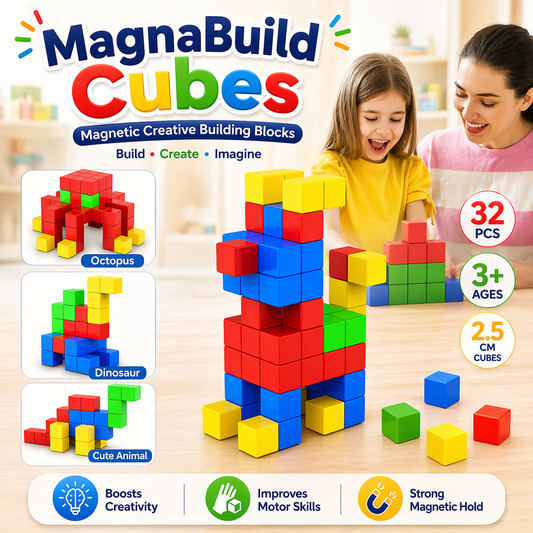
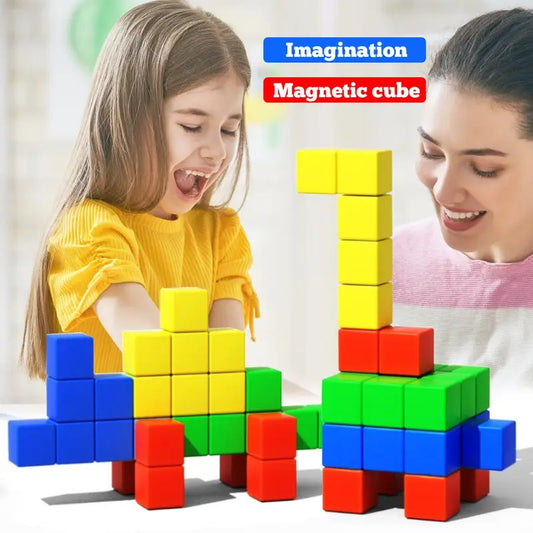
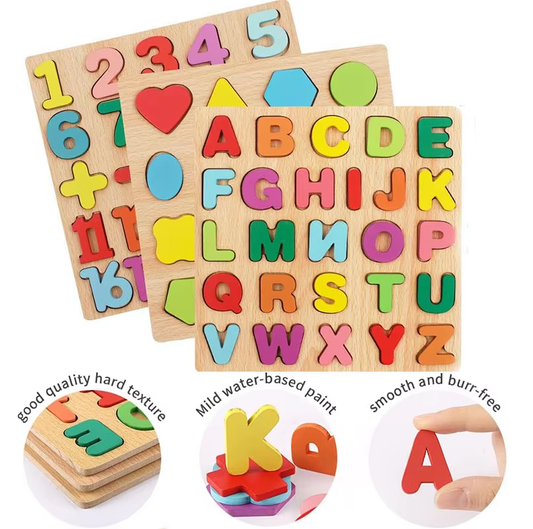
Educational toys focused on emotions help children recognize expressions and responses in a fun, engaging way.
7. Model Emotional Intelligence at Home
Children learn emotional behaviour by watching adults. How parents handle stress, anger, and disappointment teaches children how to respond to their own feelings.
Try to:
-
Stay calm during conflicts
-
Apologize when you make a mistake
-
Express feelings in words instead of shouting
-
Show empathy toward others
When children see healthy emotional behaviour, they learn to copy it.
8. Teach Simple Calming Strategies
Children need tools to manage strong emotions.
Simple techniques include:
-
Deep breathing
-
Counting to ten
-
Taking a short break
-
Hugging a soft toy
Teaching these skills early helps children regulate emotions independently as they grow.
Why Emotional Learning Is Important for Pakistani Children
In Pakistan’s academic-focused culture, emotional development is often overlooked. However, children who understand emotions perform better at school, form stronger friendships, and handle pressure more effectively.
Emotional intelligence supports:
-
Better classroom behaviour
-
Improved focus and learning
-
Stronger family relationships
-
Healthy self-esteem
These skills are essential for future success in both personal and professional life.
Final Thoughts
Teaching kids to understand feelings is one of the greatest gifts parents can give. Emotional awareness helps children navigate relationships, manage challenges, and grow into confident, caring individuals. With patience, conversation, and play-based learning, parents in Pakistan can nurture emotionally strong children who are prepared for life.
